In various scenarios aimed at ensuring personnel safety, Man Overboard (MOB) equipment plays a crucial role. To ensure these devices can function effectively during critical moments, adhering to a series of fundamental principles is essential.
First, equipment quality and reliability are key principles. The selected MOB equipment must undergo stringent quality testing, possessing robust and durable characteristics to withstand harsh environmental challenges, such as seawater corrosion, intense sunlight exposure, and frequent impacts. Only reliable, high-quality equipment can provide solid protection for individuals in water during emergencies, preventing malfunctions or failures at critical moments.
Second, ease of operation is a vital principle. In emergencies, every second counts; individuals in distress or rescuers have little time to decipher complex operational procedures. Therefore, MOB equipment should be designed to be intuitive and easy to operate, ensuring it can be used correctly and swiftly even in chaotic and stressful situations.
Furthermore, the principle of visibility cannot be overlooked. MOB equipment should feature prominent markings and easily identifiable characteristics, enabling rescuers to spot it quickly, whether during the day or at night. For instance, incorporating high-brightness reflective materials or warning lights enhances detection in vast water bodies, improving the timeliness of rescue efforts.
Additionally, the principle of maintenance and upkeep is extremely important. Regular inspection, maintenance, and updates of MOB equipment are necessary to ensure its performance remains optimal. This includes checking the buoyancy of life jackets, ensuring ropes are secure and free from wear, etc. Only through consistent daily maintenance can the equipment’s readiness for immediate use be guaranteed when needed.
Finally, the principle of adaptability should not be underestimated. Different aquatic environments, usage scenarios, and user groups impose varying requirements on equipment. Therefore, MOB equipment should be selected and adapted appropriately based on actual conditions to meet diverse potential rescue needs arising from man-overboard incidents.
Adhering to these fundamental principles for Man Overboard equipment can significantly enhance its effectiveness and reliability, providing solid support for safeguarding the lives of individuals in water and offering an added layer of security for every life at risk in hazardous waters.
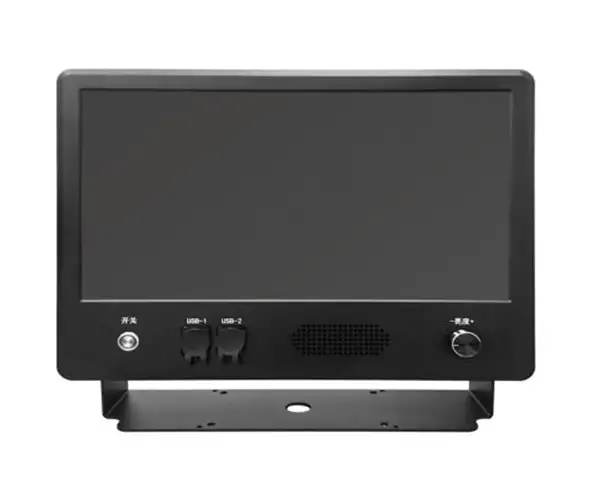
Related product: DYA530