
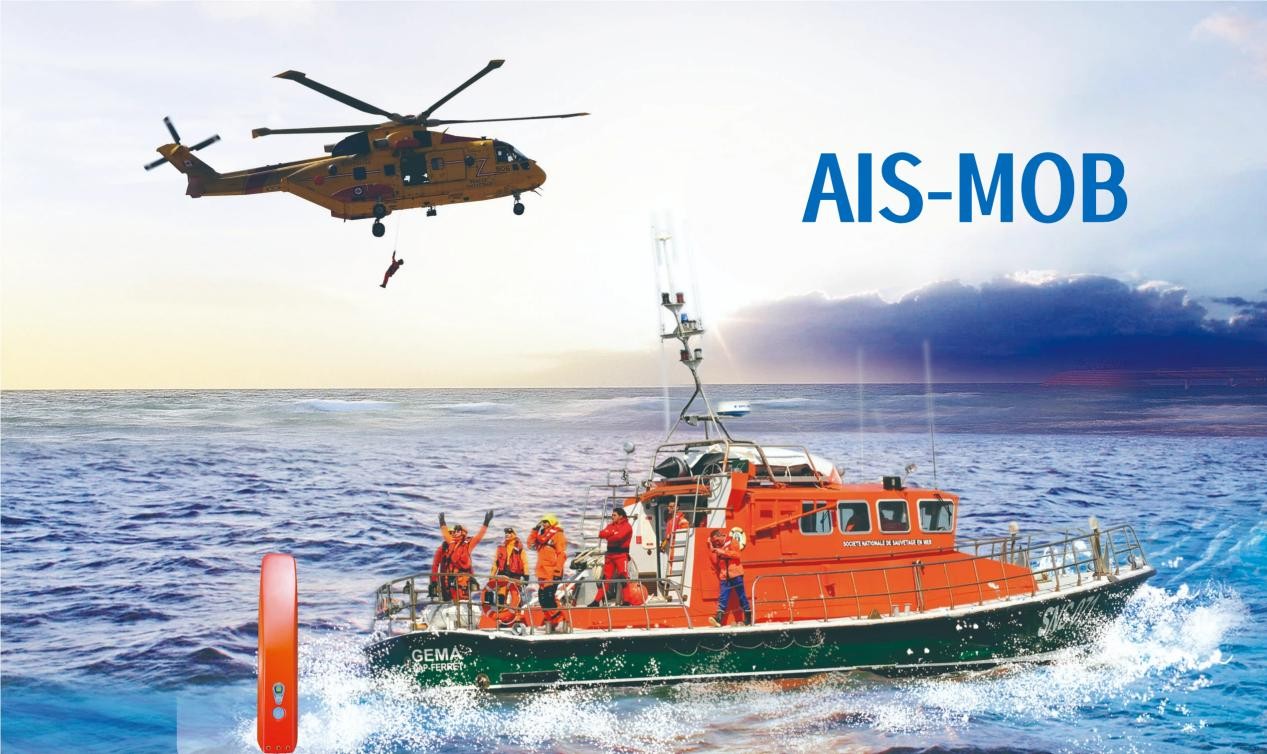
In today’s complex and ever-changing maritime environment, ensuring vessel navigation safety is of paramount importance. The AIS-MOB beacon plays an indispensable role in the maritime sector, and its widespread adoption is attributed to several key reasons.
First, the AIS-MOB beacon provides reliable positioning functionality. When accidentally activated by a crew member overboard, it quickly transmits its location data via satellite positioning systems and other technical means. This provides rescue forces with an accurate starting point for search operations, significantly reducing response time, improving rescue efficiency, and minimizing the risks associated with prolonged exposure in water.
Second, it maintains close integration with the Automatic Identification System (AIS). While AIS displays real-time vessel dynamic information, the AIS-MOB beacon complements this system by automatically transmitting critical data about the person overboard to the AIS network once activated. Nearby vessels can immediately receive the alert and access information about the overboard person’s location and associated vessel details, facilitating prompt rescue operations.
Furthermore, the AIS-MOB beacon offers excellent endurance. Typically equipped with long-life batteries or other reliable power supply methods, it can maintain normal operation for extended periods. This ensures continuous transmission of accurate distress signals under various circumstances, preventing interruption of rescue information due to power depletion.
Additionally, this beacon features simple operation. In emergency situations, crew members don’t need to follow complex procedures – simply activating the relevant mechanism will automatically initiate the beacon and transmit distress signals. This reduces the risk of rescue delays caused by improper operation.
Simultaneously, the AIS-MOB beacon complies with relevant international standards and regulations. This ensures its global compatibility and interoperability, guaranteeing effective rescue support regardless of which sea area a vessel navigates in, thereby enhancing the safety of vessels and crew members across different countries and regions.
Moreover, it provides additional safety assurance. Under adverse weather conditions or complex sea states where traditional rescue methods might be limited, the AIS-MOB beacon continues to transmit signals, guiding rescue personnel and increasing the likelihood of successful rescue operations. This adds a robust layer of protection for crew members’ lives.
In summary, with its numerous advantages including reliable positioning, integration with AIS systems, strong endurance, simple operation, international compliance, and additional safety assurance, the AIS-MOB beacon has become an essential safety device in maritime navigation. It plays a critical role in safeguarding crew members’ lives and ensuring vessel navigation safety.